
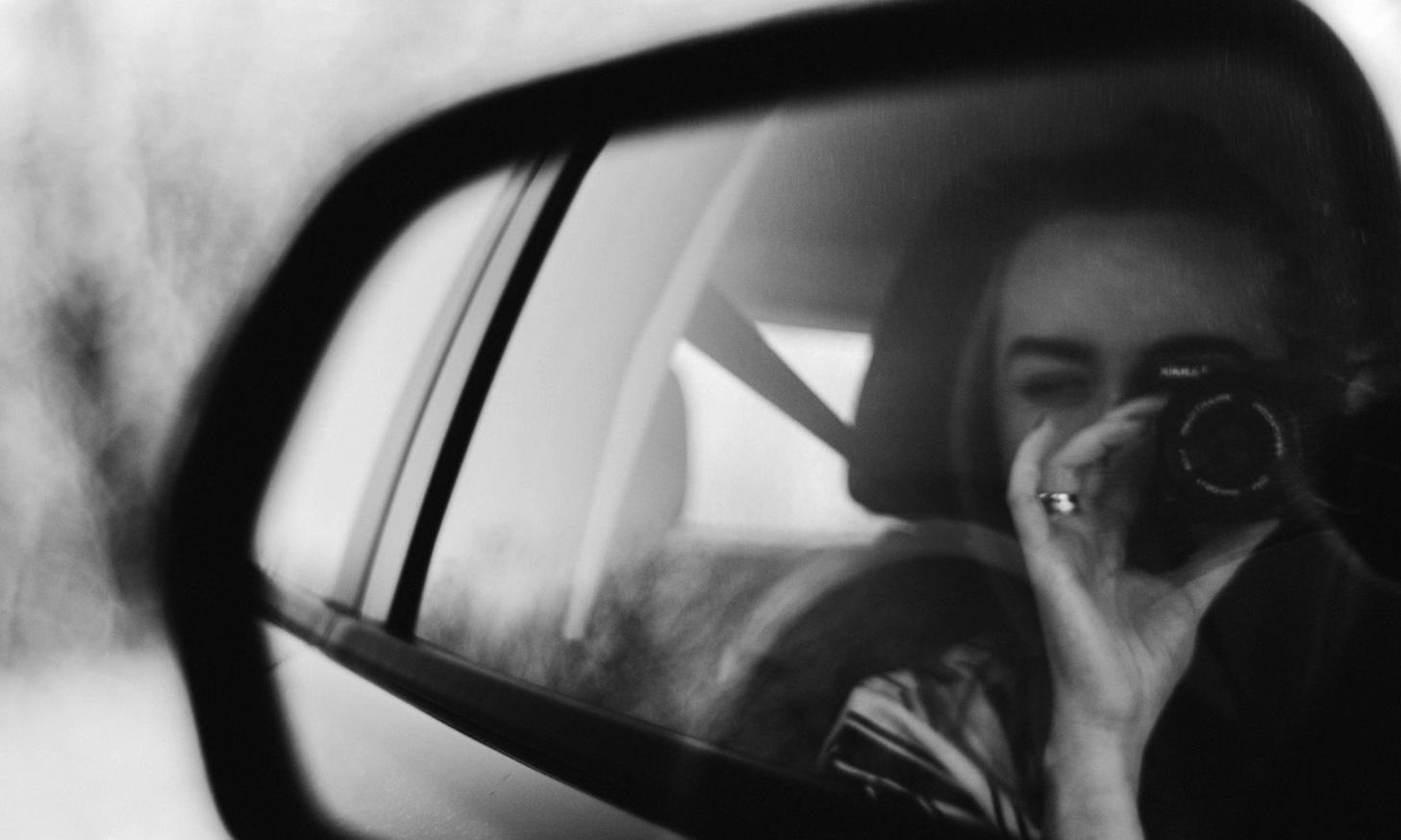


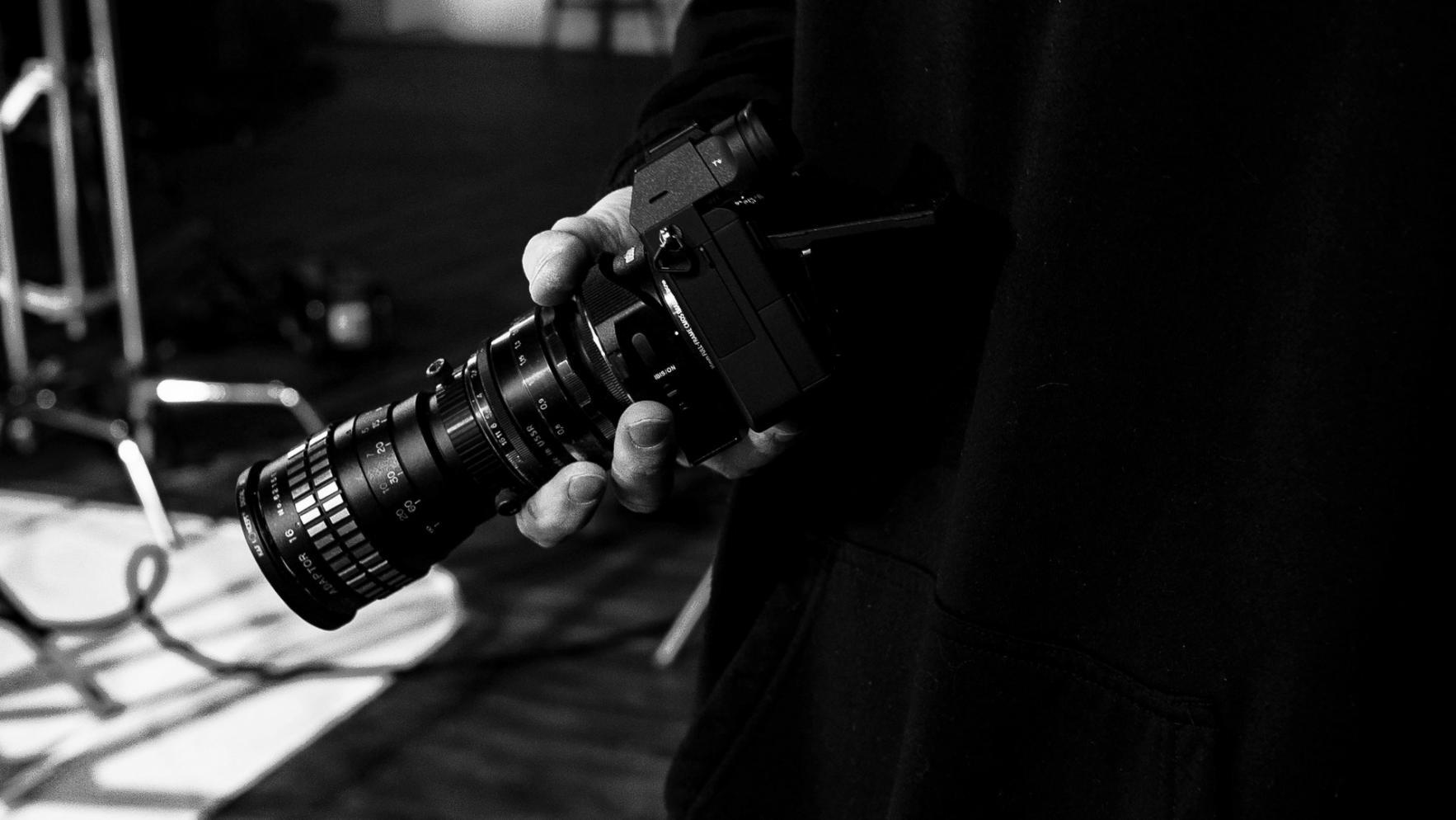


Professional product photography setup

78 hours of product photography training

Zetalearn Hub offers structured seminars focused on capturing products that actually sell. We break down lighting, composition, and post-processing into actionable steps you can apply the same day.

What happens in our seminars

Lighting techniques demonstration

Lighting strategies for reflective surfaces

Metal, glass, and glossy products require different light placement. You'll work through specific scenarios with continuous adjustments until the reflection patterns make sense.

Camera settings configuration

Composition principles that direct attention

How you frame a product changes what buyers notice first. We analyze dozens of product shots to understand why some work and others get scrolled past.

Post-processing workflow

Post-production without losing texture

Editing product images is about enhancement, not transformation. Learn where to clean up and where to leave detail intact so the final image stays honest.

Studio setup arrangement

Building repeatable workflows

Once your lighting and camera settings are dialed in for one product, you need systems that let you shoot 30 more without starting from scratch each time.

Feedback from participants

I spent two years trying to figure out why my product images looked flat compared to competitors. Three weeks into this program I finally understood light falloff and how to control it. My conversion rate went up because the images now show texture and depth instead of just shape.

Participant Oskar Halvorsen

Oskar Halvorsen

E-commerce photographer, Oslo

The best part is how every session builds on the last one. You're not jumping around topics randomly. By week six I had a full workflow I could repeat for different product types.

Participant Linnea Järvi

Linnea Järvi

Studio owner, Tampere

4.6

Average rating from 187 reviews

89

Countries represented

16

Sessions per course cycle

Why product photography is harder than it looks

A product sitting on a white surface seems straightforward until you try to eliminate shadows, manage reflections, and keep colors accurate under studio lights.

Most e-commerce platforms expect images shot from multiple angles with consistent lighting across every frame. That consistency only happens when you understand how your gear behaves and how to replicate settings.

  • Learning how different light modifiers change the mood and clarity of a shot
  • Understanding when to use natural light and when artificial control is necessary
  • Developing an eye for distracting elements that pull focus away from the product
  • Practicing retouching techniques that enhance without making the product look fake
  • Building a catalog of lighting setups you can return to for different product categories